
Why Modern POS Systems Are Essential for Today’s Hospitality Industry
From booking to dining to spa services, guests expect seamless, personalized experiences — and a modern POS makes them possible.

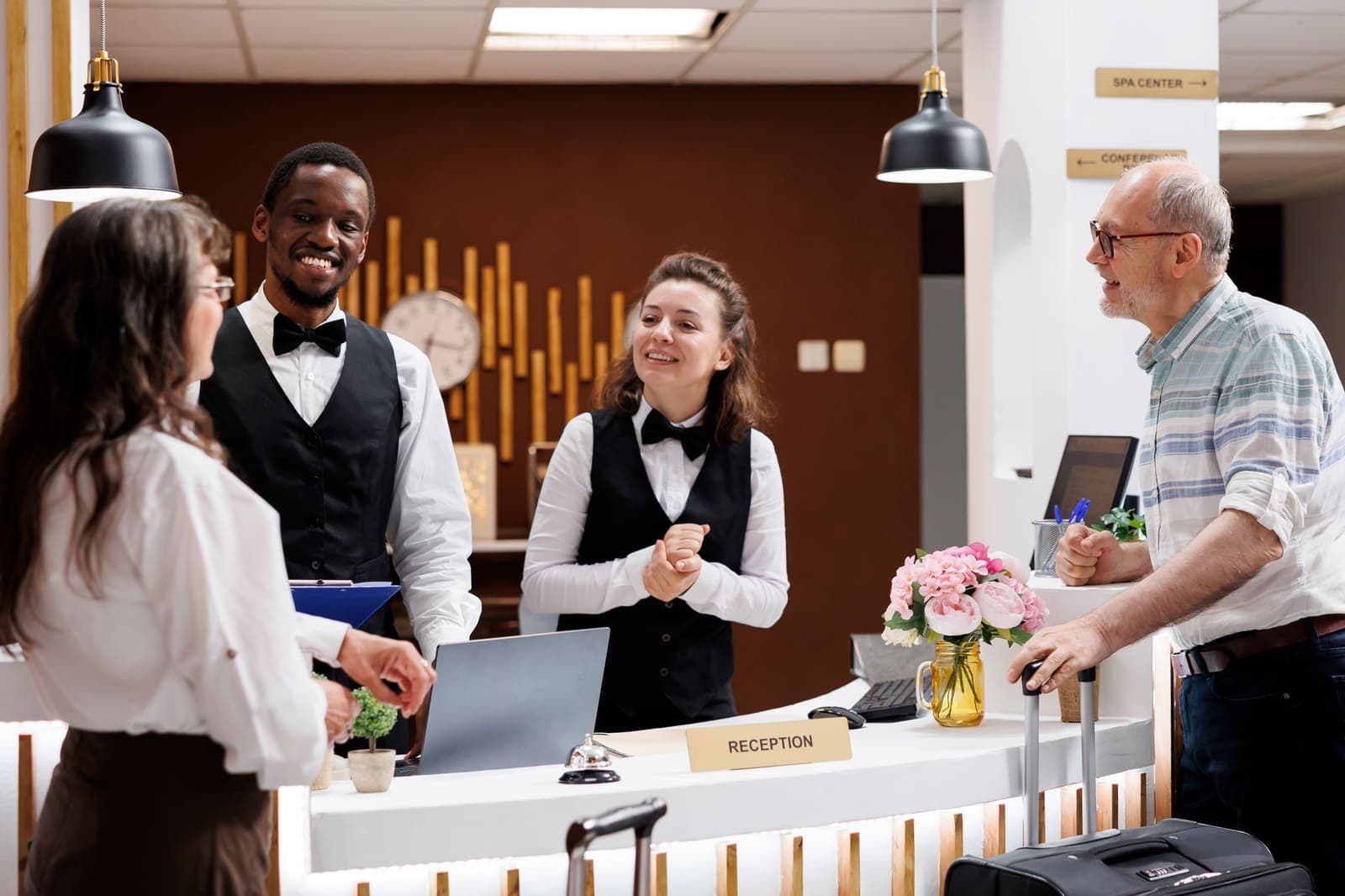
The hospitality industry has changed dramatically over the past decade. That’s why a modern POS (point-of-sale) system is essential to satisfy the demands of today’s travelers. Guests expect seamless, personalized experiences at every stage of their stay — from booking to dining reservation to spa services — and technology plays a major role in making these experiences possible.
The Evolution of POS Systems in Hospitality
In the past, POS systems were primarily used to process payments in restaurants, bars, and gift shops. These systems often operated independently from other hotel systems, such as room reservations. Today, modern POS platforms are integrated with broader business systems such as property management, inventory, accounting, and customer relationship tools.
Solutions like NetSuite and LS Retail (which integrates directly with Microsoft Dynamics 365 Business Central) allow hospitality businesses to manage multiple operational areas from a single unified platform. This integration provides hotels with real-time insights and operational control, ultimately improving both the guest experience and internal efficiency.
Let’s take a deeper look into how a modern POS can optimize a hotel’s operations.
1. Ability to Create Seamless Guest Experiences
Modern travelers value convenience. Whether they’re ordering room service, booking a spa treatment, or purchasing items at a hotel boutique, they expect transactions to be fast and frictionless. A modern POS system enables hotels to:
- Accept multiple payment methods, including contactless and mobile payments
- Integrate with room billing, allowing guests to charge purchases directly to their room
- Support mobile and tablet-based POS devices, allowing staff to assist guests anywhere on property and not just at the reception desk
2. Enabling Personalized Offers
Integrated POS systems enable hotels to track guest preferences and purchase history, allowing them to create personalized offers and incentivize customers to visit again. Research shows that guests who book travel packages tend to bring higher value to the hotel. The ideal booking software should enable different types of package offerings, depending on the hotel’s goals and customers’ preferences. For instance, if a guest frequently books spa services during their stay, the hotel can automatically offer a bundled package or promotional upgrade for their next visit. With a unified system, hotels can:
- Recognize returning guests and their preferences
- Offer personalized promotions or loyalty rewards
- Track spending across restaurants, retail shops, and amenities
This level of personalization helps build stronger guest relationships and increases customer loyalty.
3. Improving Operational Efficiency
While the guest experience is critical, operational efficiency is equally important for hospitality businesses. Modern POS systems play a key role in helping hotels streamline daily operations. For example, if a hotel restaurant runs low on certain ingredients, integrated inventory tools can automatically notify staff or trigger reorder processes. This prevents service disruptions while reducing waste and overstocking. Additionally, employees at the reception desk often only have access to room bookings — they don’t have visibility over things like restaurant reservations, or the ability to handle guest requests through any point of sale or device. The ideal reservation software should give staff access to all guest bookings to make their job easier and avoid double bookings.
4. Data-Driven Decision-Making
Gathering data and making key decisions based on its analysis are essential to keeping a business profitable — especially hotels that generate large volumes of data every day, from room bookings to restaurant sales. Modern POS systems consolidate this data into powerful analytics tools that help management make better decisions and maximize revenue. Through integrated reporting dashboards, hospitality businesses can analyze:
- Guest spending patterns
- Peak service times
- Most profitable menu items or retail products
- Staff performance and operational efficiency
These insights allow hotel managers to refine their services, optimize staffing levels, and introduce new offerings that align with guest preferences.
5. Supporting a Multi-Service Hospitality Model
Many modern hotels offer more than just accommodations, and therefore hire staff who are multi-skilled and can be stationed at different areas of the hotel. For example, a spa therapist might also be available as a personal trainer, or a restaurant lounge may also be reserved for private events. Managing these services efficiently requires a unified platform. A modern POS system connects each operational area, giving staff a centralized view of guest activity and business performance.
Final Thoughts
Technology continues to reshape the hospitality industry, and POS systems are at the centre of this transformation. By connecting guest services, operations, and data into a unified platform, modern POS solutions empower hotels to deliver exceptional experiences while improving efficiency and profitability. For hospitality businesses looking to modernize their operations, investing in the right POS technology can be a powerful step toward long-term growth and competitive advantage. See how Qixas supports hotels and restaurants with unified commerce built on Business Central.
About the Author

Nick Detmer
Client Technology Strategist, Qixas Group
Nick advises mid-market companies weighing ERP and CRM decisions. His career spans every side of the Dynamics ecosystem, which gives him a rare 360° view of how these projects actually go. Clients lean on him when the stakes are high and the timeline is short — which is how his team earned the “Dynamics SWAT Team” nickname.
- ERP Selection
- Retail & Hospitality
- Dynamics 365
- Business Case & TCO
Frequently asked questions
How has hospitality POS changed?
It moved from a standalone payment terminal in the restaurant or gift shop to a system integrated with property management, inventory, accounting, and customer relationship tools across the whole property.
What do hotel guests expect from payment and service today?
Contactless and mobile payment options, charges posted directly to their room, and staff who can transact anywhere on property rather than only at the reception desk.
How does POS data enable personalized offers?
By tracking purchase history and preferences across restaurants, retail, and amenities. A guest who regularly books spa services can be offered a bundled package on their next visit, which is what drives repeat bookings.
How does an integrated POS improve hotel operations?
Inventory tools trigger reorders before a restaurant runs out of an ingredient, preventing service disruption while reducing waste. Giving front desk staff visibility of all guest bookings — not just rooms — also removes double bookings and missed requests.
Read next
What Makes a Modern Retail POS System Worth the Investment?
A modern POS system has evolved far beyond processing transactions—it's the operational backbone of retail. Here's why the right POS platform directly impacts profitability, scalability, and customer experience.
Read more
Best ERP Solutions for Multi-Property Hotel Management
How modern ERP and hospitality management solutions help hotel groups centralize finance, inventory, and guest experience across multiple properties for real-time operational visibility.
Read more
How the Right ERP Software Can Solve ALL Your Retail Inventory Challenges
Inventory is both a retailer's biggest asset and biggest risk. See how modern ERP solutions like LS Retail eliminate stockouts, dead inventory, and manual errors with real-time visibility and automation.
Read moreModernizing your hospitality operations?
Let’s talk about connecting your front desk, restaurants, retail, and amenities on one platform — so every guest interaction is seamless.
Book a Conversation