
Best ERP Solutions for Multi-Property Hotel Management
For multi-property hotel groups, operational visibility is one of the most important competitive advantages — and modern ERP makes it possible.

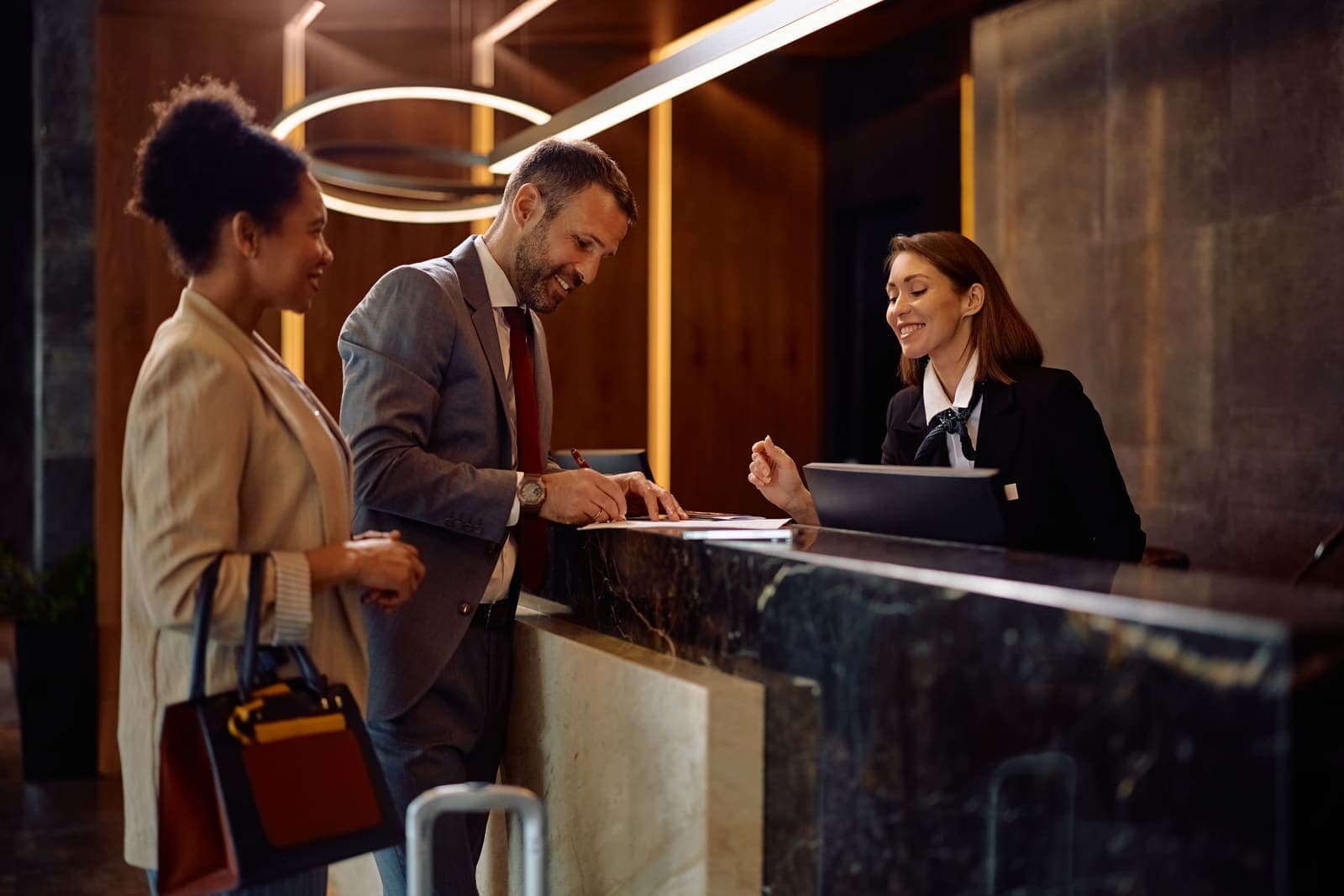
Let’s face it: hotel managers are no longer simply managing bookings and guest check-ins. They are managing multi-property operations, fluctuating occupancy rates, staffing shortages, guest expectations, and rising operational costs across multiple locations. This is where modern ERP and hospitality management solutions can transform the way hotel organizations operate.
Without integrated systems, hotel operators often rely on multiple software platforms that do not communicate effectively with one another. This results in slower decision-making, reporting delays, and — most critical of all — inconsistent guest experiences. For CEOs, CFOs, and hospitality leadership teams, operational visibility becomes one of the most important competitive advantages.
Why Modern ERP Solutions Matter in Hospitality
Modern ERP and hospitality management platforms allow hotel groups to centralize operations across multiple properties within a unified ecosystem. Rather than operating each hotel independently, leadership teams gain centralized control over:
- Financial management
- Inventory management
- Staff management
- Restaurant and retail operations
- Guest services
- Business intelligence through multi-property reporting
Integrated ERP systems provide hotel groups with real-time visibility into operational performance across every property. This allows leadership teams to move from reactive management to proactive strategic planning.
What Hotel Decision-Makers Should Expect from a Modern Hospitality ERP Solution
1. Centralized Multi-Property Financial Management
One of the biggest challenges for hotel groups is consolidating financial information across multiple properties. Modern ERP platforms provide centralized financial reporting that allows leadership teams to analyze:
- Revenue performance by property
- Occupancy trends
- Profit margins
- Food and beverage costs
- Labor expenses and cash flow performance
For example, a hotel group operating five properties across different cities can consolidate financial reporting into one live dashboard rather than waiting for each location to manually submit month-end reports.
2. Unified Inventory and Procurement Management
Hotels manage far more inventory than many people realize. From food and beverage operations to housekeeping supplies, retail items, linens, maintenance materials, and event inventory, tracking costs across multiple properties can become extremely difficult without integrated systems. A modern hospitality ERP solution allows hotels to do exactly that — and avoid overstocking or, worse, inventory shortages.
3. Integrated Guest Experience Across Properties
Today’s guests expect seamless experiences regardless of which property they visit. Modern hospitality management systems can compile a guest’s booking history along with their specific service requests and preferences during their stay. For example, a guest staying at one property within a hotel group can receive personalized service at another location because guest preferences and history are shared across the organization. This increases the chances of that guest returning to the same hotel group, or referring friends and family, because of the ease and comfort provided. Guest loyalty is created and high customer satisfaction follows.
4. Real-Time Operational Visibility
Executives cannot afford delayed or incomplete operational reporting. Modern ERP systems provide live operational dashboards that help leadership teams monitor each hotel’s performance. For example, a COO managing multiple hotels can instantly identify one property experiencing rising operational costs and investigate the root cause before profitability declines further. This level of visibility supports faster, data-driven decision-making across the organization.
Why Integration Is Critical in Hospitality
Many hotel groups still operate on disconnected systems that separate their POS systems, booking tools, accounting software, payroll, and much more. This fragmentation creates operational silos that slow decision-making and reduce visibility.
Integrated ERP and hospitality management systems eliminate these silos by connecting operations into one unified platform. It is important to note that technology implementation within hospitality environments is complex. Every hotel group operates differently, and a “one-size-fits-all” approach is never the only solution. This is why selecting the right implementation partner is just as important as selecting the software itself.
Choosing the Right Partner
Experienced Microsoft solution providers can help hotel groups evaluate operational gaps and, most importantly, recommend an ERP system that aligns with their unique hospitality workflows. This reduces implementation risk right from the beginning.
For leadership teams evaluating ERP modernization, working with a partner such as Qixas — who understands both the technology and hospitality operations — can significantly improve project success. Explore how we support hotels and hospitality operators with unified commerce and ERP built on Microsoft Dynamics 365 Business Central.
About the Author

Nick Detmer
Client Technology Strategist, Qixas Group
Nick advises mid-market companies weighing ERP and CRM decisions. His career spans every side of the Dynamics ecosystem, which gives him a rare 360° view of how these projects actually go. Clients lean on him when the stakes are high and the timeline is short — which is how his team earned the “Dynamics SWAT Team” nickname.
- ERP Selection
- Retail & Hospitality
- Dynamics 365
- Business Case & TCO
Frequently asked questions
What should a multi-property hotel ERP centralize?
Financial management, inventory, staffing, restaurant and retail operations, guest services, and multi-property reporting — in one platform rather than one stack per property.
How does ERP improve multi-property financial reporting?
It replaces waiting on each location's month-end submission with a single live dashboard covering revenue by property, occupancy trends, profit margin, food and beverage cost, and labour expense.
Can guest preferences follow a guest between properties?
Yes. A unified system shares booking history, service requests, and preferences across the group, so a guest who stays at one property receives personalized service at another. That is what converts a single stay into loyalty.
Does hotel ERP selection matter more than partner selection?
Neither outranks the other. Hospitality operations differ enough between groups that a one-size-fits-all rollout tends to fail, so a partner who understands both the technology and hotel operations reduces implementation risk from the start.
Read next
Why Modern POS Systems Are Essential for Today's Hospitality Industry
Guests expect seamless, personalized experiences at every stage of their stay. See how integrated modern POS systems help hotels connect guest services, operations, and data into one unified platform.
Read more
What Makes a Modern Retail POS System Worth the Investment?
A modern POS system has evolved far beyond processing transactions—it's the operational backbone of retail. Here's why the right POS platform directly impacts profitability, scalability, and customer experience.
Read more
How the Right ERP Software Can Solve ALL Your Retail Inventory Challenges
Inventory is both a retailer's biggest asset and biggest risk. See how modern ERP solutions like LS Retail eliminate stockouts, dead inventory, and manual errors with real-time visibility and automation.
Read moreManaging multiple hotel properties on disconnected systems?
See how a unified ERP and hospitality platform gives your leadership team real-time visibility across every property. Let’s talk through your operations.
Book a Conversation