
Containing Costs in Specialty Retail: Inventory, Distribution, POS, and Loss Prevention
Expensive inventory and slim margins mean every dollar saved counts. The common thread across all four areas is the same: cost containment through visibility and smart systems.

Optimizing Inventory and Working Capital
Specialty retailers often carry high-value, specialized inventory — from electronics and furniture to luxury goods — which ties up a large portion of working capital. In fact, industry surveys note that 25–30% of a typical company’s working capital can be locked in inventory, and inventory carrying costs (capital, storage, taxes, insurance, obsolescence) can range from 15–25% of inventory value annually. In this environment, even small inventory reductions free up significant cash.
Retailers must therefore optimize “right inventory, right place” across their network. Leading practices include tighter demand forecasting, collaborative planning with suppliers (CPFR), and intelligent replenishment tools. Top retailers use collaborative planning with vendors to lower their inventory levels and the frequency of stockouts while increasing inventory turnover — which both cuts handling and COGS and improves service.
- Measure and focus on the right KPIs. Track inventory turnover, stock days-on-hand, fill rates, and carrying cost as key metrics. Use KPIs such as turnover rate, write-offs, fill rate, and safety-stock levels to identify trouble spots.
- Reduce excess stock. Aim for the minimum inventory needed to avoid stockouts. This may mean shorter lead times (for example, by sharing sales data with suppliers), liquidating obsolete items through promotions or write-offs, and adjusting order quantities. With 25–30% of capital often sitting in inventory, even modest cuts can unlock cash for other uses.
- Improve forecasting and demand planning. Use real-time data and analytics to predict demand. Integrated ERP/POS systems such as Dynamics 365 with LS Central enable granular forecasting by capturing sales, returns, and promotions instantly — automating replenishment based on up-to-date sales trends rather than rough rules of thumb.
By right-sizing stock, specialty retailers avoid capital drag and markdowns. Improving inventory turns lets a retailer hold less inventory and lower costs while raising the level of customer service. Higher turnover yields dual benefits: lower storage and handling expense, and fewer unsold goods. In short, efficient inventory planning converts expensive inventory into available cash without losing sales.
Streamlining Inventory Flow and Distribution Centres
Specialty retailers can further contain costs by optimizing how inventory moves through the supply chain. A single retail distribution centre (DC) or local hub can serve multiple store locations, reducing the need for excess safety stock at each store. Building fast, localized fulfillment networks — via localized hubs and predictive replenishment — can greatly boost both service and efficiency.
- Real-time inventory visibility across channels. Modern unified retail systems like LS Central give managers a 360° view of stock at every location (stores, DCs, vendors). This live inventory data lets teams see exactly what’s on hand and prevents overstocking.
- Automated, intelligent replenishment. Tools like LS Central can automate purchase orders based on sales velocity, lead times, and minimum/maximum stock settings — planning inventory from real-time purchase history, sales across channels, and delivery lead-time. This drives higher fill rates while minimizing idle inventory.
- Cross-channel sourcing. If one store runs low, advanced retail systems can pull inventory from another store, DC, or even a vendor without manual effort. LS Central lets a cashier source out-of-stock items from a different location, warehouse, or directly from a vendor at the POS, with sales and stock updating in real time — so sales aren’t lost even when local stock is depleted.
- Distributed fulfillment networks. Consider multiple micro-fulfillment hubs or drop-shipping arrangements near key markets to cut shipping time and cost. Local hubs reduce safety-stock requirements and transit expense, and lowering lead times sharply reduces necessary inventory buffers.
By centralizing inventory flows yet allowing dynamic sourcing, retailers keep the right inventory in the right place. The result is contained working capital plus faster customer delivery. Optimized distribution — whether via a DC, vendor-managed inventory, or smart omni-channel linking — is critical to cost control.
Optimizing the Point of Sale (“Money Walks”)
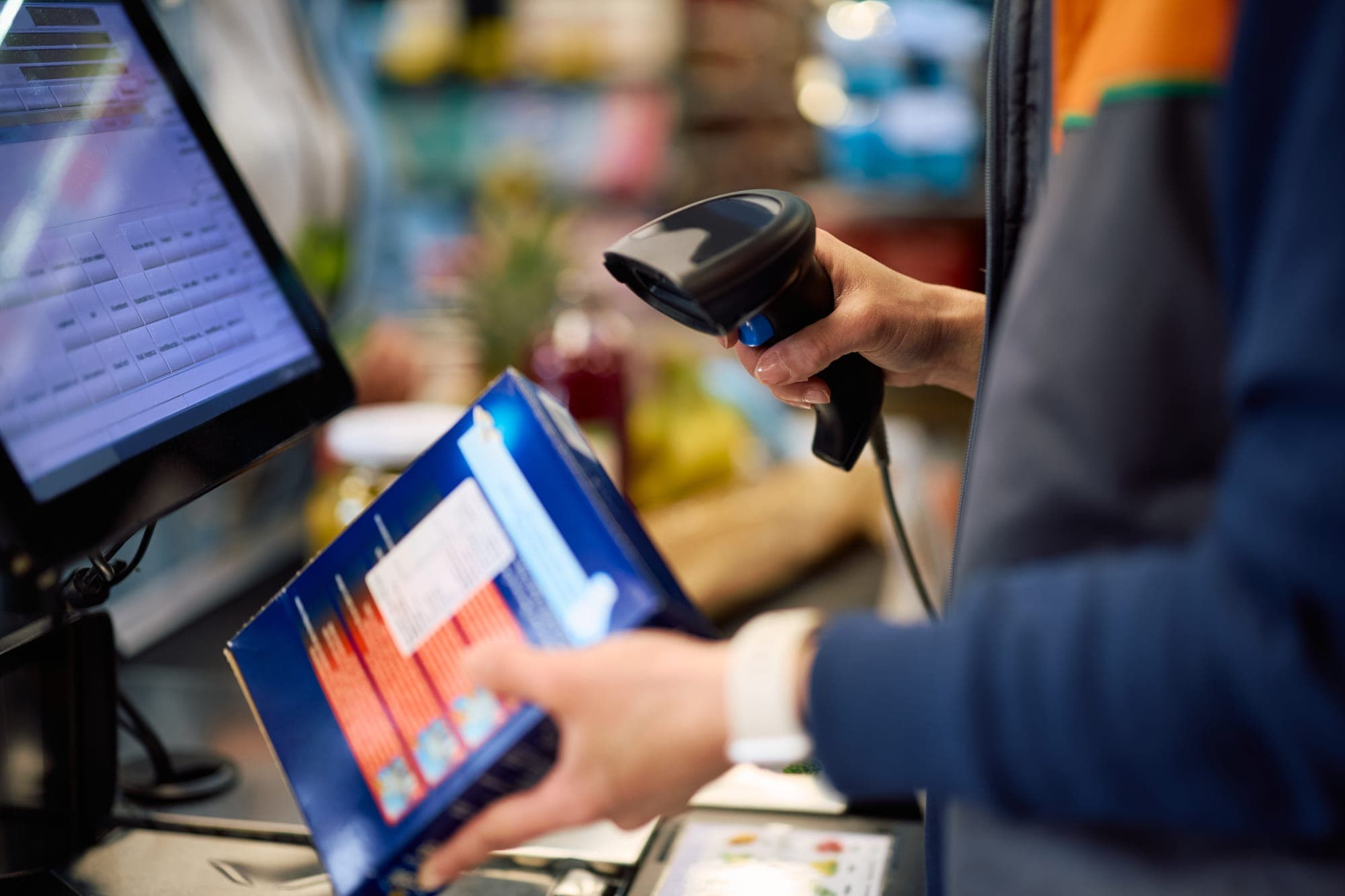
Every customer who walks into a store is potential revenue. Retailers must ensure the checkout process is quick and reliable so money doesn’t walk out the door. Modern POS systems eliminate friction and loss — for example, LS Central’s POS lets retailers run stores even when offline, so no sale is missed during network outages. Mobile POS devices, self-checkout kiosks, and integrated payment terminals all accelerate checkout.
- Real-time sales and inventory tracking. An intelligent POS records every item sold immediately across all stores and channels. This real-time data feeds inventory planning (closing the loop on replenishment) and alerts managers when anomalies — such as unexpected sales surges or voids — occur.
- Offline and mobile capability. LS Central’s POS is designed to run offline on any device, keeping the till open even if Wi-Fi or internet fails. Mobile POS and self-scanning apps further reduce line times and add convenience.
- Integrated, secure payment. Embedded EFT and payment options streamline the final transaction. Integrated payment processing speeds up checkout and enhances security by encrypting card data across stores. A smooth payment flow builds trust and repeat business.
- Unified channels and loyalty. By linking the physical POS with e-commerce and loyalty databases, retailers give customers consistent experiences. Staff can look up online orders or pull store-pickup items at the register, and loyalty programs tied to the POS encourage repeat sales and larger baskets.
A modern unified POS acts as both a sales engine and a data source. Faster checkouts drive higher throughput and conversion, while the data captured helps fine-tune assortments and promotions. A well-designed POS means every customer is served quickly and accurately — literally making sure the store’s cash walks back to the register rather than out the door.
“Silent Partners”: Shrinkage, Fraud Detection, and Loss Prevention
Even with tight operations, retailers face hidden costs from shrinkage — shoplifting, employee theft, vendor fraud, and errors can silently erode margins. Retail shrink has surged in recent years, with one widely cited study reporting profit losses exceeding $100 billion in a single year from inventory loss — a figure that has more than doubled over five years. Crucially, shrink occurs up and down the value chain, involving employees, customers, and third parties. Containing it requires a data-driven, enterprise-wide strategy.
Specialized retail software incorporates built-in loss-prevention tools to unmask these silent partners:
- Strict transaction controls and audit trails. LS Central records every transaction detail centrally, so managers can review audit logs for voids, refunds, discounts, and overrides. Role-based permissions restrict who can execute high-risk actions — requiring manager approval on out-of-policy returns, price overrides beyond limits, or cash drops, and ensuring staff only see what they need.
- Real-time inventory accuracy. By syncing sales and inventory live, any discrepancy (such as unexplained shrink) is immediately visible. RFID tagging connects physical items to the system, so the POS knows when an item is missing from the floor or inventory. Barcode/RFID cycle counts let retailers instantly reconcile discrepancies and reduce blind spots.
- Advanced analytics and anomaly detection. With integrated reporting (such as Power BI dashboards), retailers can spot patterns like suddenly high void rates, after-hours sales, or unusual cash drops. LS Central’s analytics provide real-time, AI-powered reports and KPIs to identify risk trends — measuring where losses are actually occurring rather than relying on broad assumptions.
- Secure POS operations. Modern POS solutions encrypt data and can disable features (such as offline credit authorizations) to prevent tampering. They support controlled shift and log-in practices, so every sale is tied to a user — creating a solid foundation for shrink control, fraud prevention, and operational transparency.
Retailers should regularly train staff on loss-prevention protocols and review shrinkage statistics. Even a 1–2% shrink rate, typical in retail, can wipe out most profit. By leveraging ERP-connected POS and inventory systems, managers gain the visibility to find and stop internal silent-partner losses before they spiral — reconciling receipts, monitoring inventory variances, and reacting quickly to anomalies. A proactive shrink-management program not only prevents theft but also improves operational discipline.
Conclusion
For specialty retailers, expensive inventory and slim margins mean every dollar saved counts. The central theme across all these areas is cost containment through visibility and smart systems. By optimizing inventory (holding exactly what’s needed), fine-tuning supply chains and distribution, streamlining POS operations, and rigorously preventing loss, retailers minimize tied-up capital and waste. These strategies free cash and improve service simultaneously. Modern ERP/POS platforms like Microsoft Dynamics 365 with LS Retail deliver the integrated data and automation that turn cost-containment theory into daily reality. Explore our retail ERP solutions to see how it comes together.
About the Author

Floyd Chan
President & Founder, Qixas Group
Floyd founded Qixas in 2007 after years of watching ERP projects fail for the same preventable reasons — junior staffing, slipping timelines, ballooning budgets. A Microsoft MVP and winner of the 2018 Directions Excellence Award, he is known across the Dynamics community as “the NAV genius.” He has been involved in more than 400 implementations and still reviews the hard ones personally.
- Microsoft MVP
- Dynamics NAV & Business Central
- ERP Upgrades
- Project Rescue
Frequently asked questions
How much working capital does inventory typically consume?
Industry surveys put 25–30% of a typical company's working capital inside inventory, with annual carrying costs — capital, storage, taxes, insurance, obsolescence — running 15–25% of inventory value. Even modest reductions release meaningful cash.
Which inventory KPIs should a specialty retailer track?
Inventory turnover, stock days-on-hand, fill rate, and carrying cost. Add write-offs and safety-stock levels to spot where the trouble actually sits rather than inferring it from a general stock report.
How bad is retail shrink?
One widely cited study reported industry profit losses above $100 billion in a single year from inventory loss, more than double the figure five years earlier. Because a typical shrink rate of 1–2% can erase most of a specialty retailer's profit, it is a margin issue rather than a security footnote.
What is cross-channel sourcing at the POS?
It lets a cashier fill an out-of-stock item from another store, a distribution centre, or directly from a vendor without leaving the register. Sales and stock update in real time, so a local stockout no longer costs you the sale.
Read next

The Hidden Cost of Doing Business: Protecting Margin in Every Corner of Your Operation
Specialty retail margin erodes from directions most owners never see. A guide to protecting working capital across inventory, distribution, POS, and fraud.
Read more
How the Right ERP Software Can Solve ALL Your Retail Inventory Challenges
Inventory is both a retailer's biggest asset and biggest risk. See how modern ERP solutions like LS Retail eliminate stockouts, dead inventory, and manual errors with real-time visibility and automation.
Read more
What Makes a Modern Retail POS System Worth the Investment?
A modern POS system has evolved far beyond processing transactions—it's the operational backbone of retail. Here's why the right POS platform directly impacts profitability, scalability, and customer experience.
Read moreReady to contain costs across your retail operation?
Let’s map where your capital is tied up — in inventory, distribution, the register, and shrink — and how Dynamics 365 with LS Central gives you the visibility to control every dollar.
Book a Retail Assessment